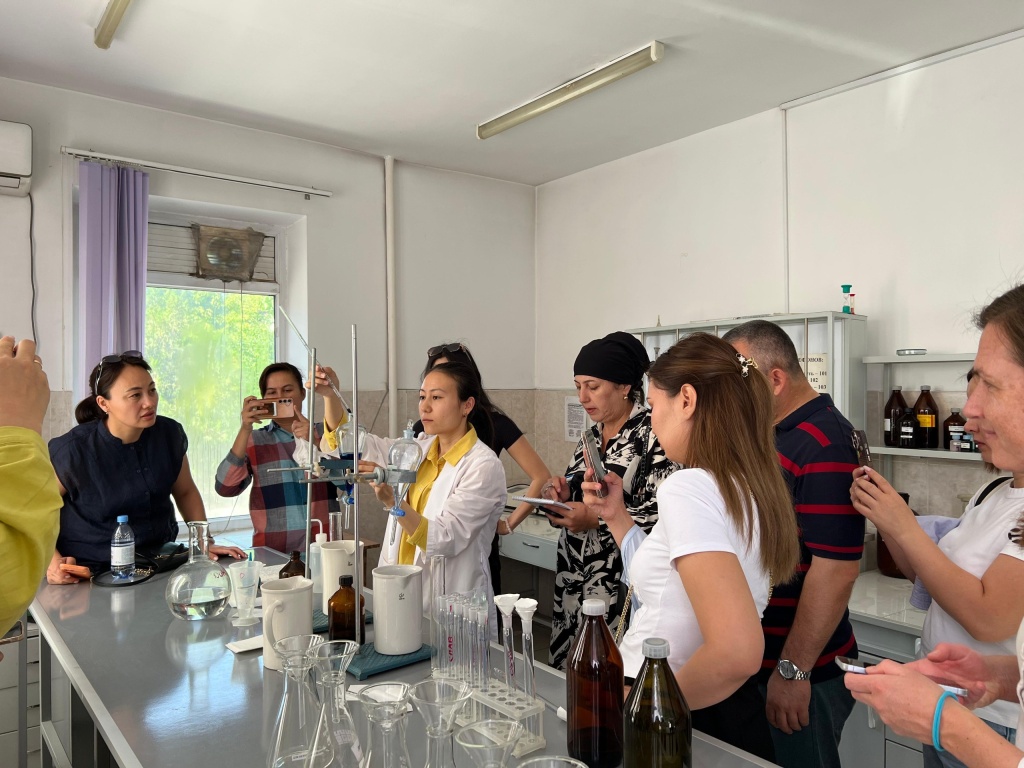
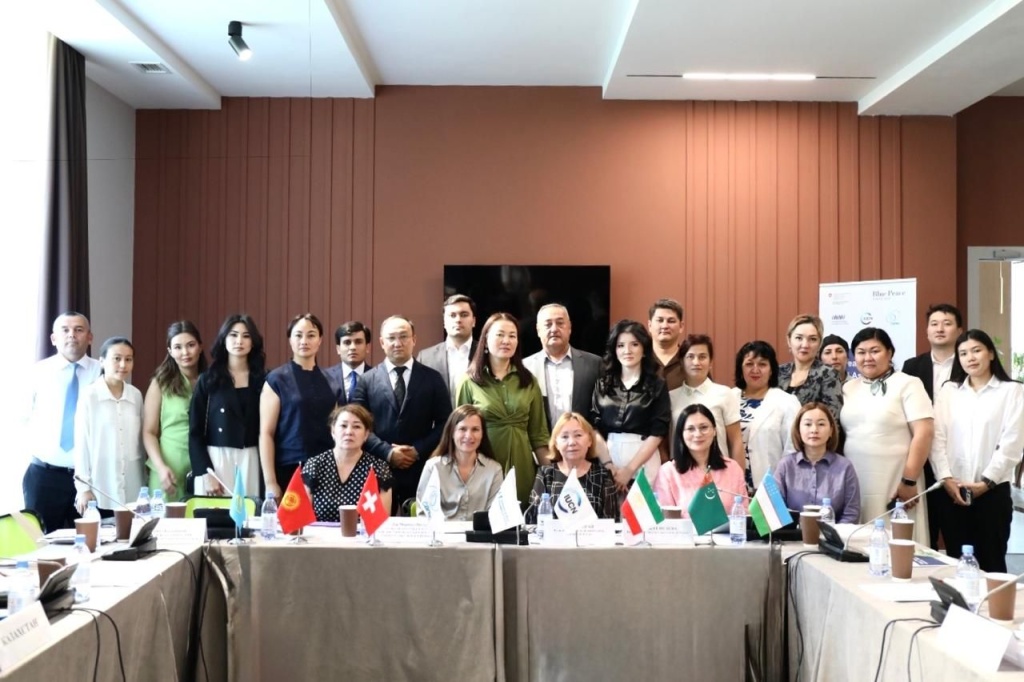
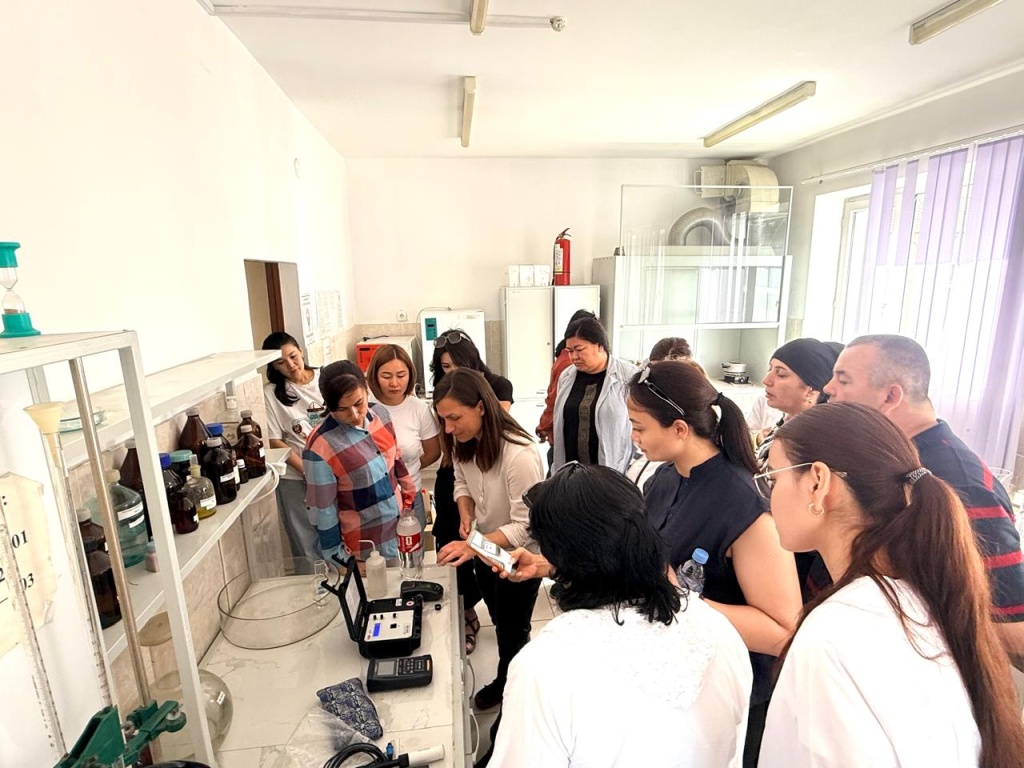
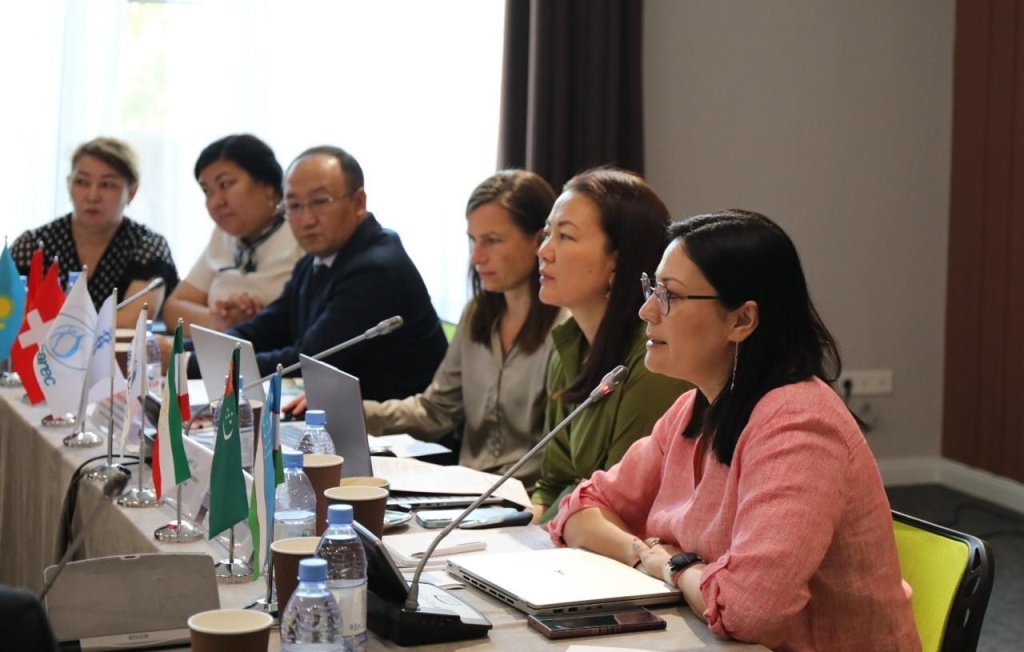
Discussions focused on priority water quality parameters, laboratory methods, and national monitoring practices, with particular attention given to developing more flexible and risk-based approaches to assessing surface water quality. Participants also examined international best practices, including elements of Switzerland’s National Surface Water Quality Monitoring Programme (NAWA), and explored how physical-chemical, ecological, hydro morphological, and visual assessment methods can be combined to provide a more comprehensive understanding of river health.
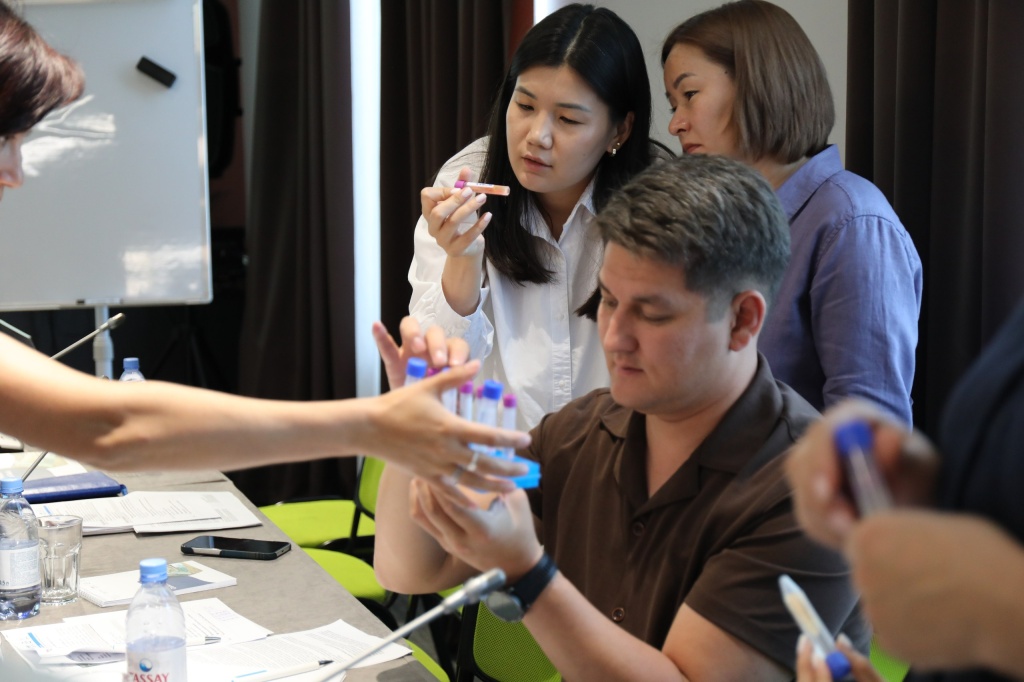
A key highlight of the seminar was a joint field visit to monitoring sites on the Kazakh section of the Syr Darya River and the Badam River. Participants observed sampling procedures, exchanged technical experience, and discussed opportunities for strengthening joint monitoring efforts in transboundary river basins.
The seminar marked another important step in moving from information exchange toward more practical, coordinated, and science-based cooperation on water quality in Central Asia. By fostering technical dialogue and building a shared understanding of monitoring approaches, the event contributed to ongoing efforts to strengthen regional cooperation and support more effective management of shared water resources.
The seminar was organized within the framework of the Blue Peace Central Asia (BPCA) initiative, funded by the Swiss Agency for Development and Cooperation (SDC) and implemented by the International Water Management Institute (IWMI)) in partnership with the International Union for Conservation of Nature (IUCN) and the Central Asia Regional Environmental Centre (CAREC). It focused on one of the key priorities identified by the Regional Working Group on Water Quality: the development of a flexible, risk-based methodology for monitoring and assessing surface water quality across the region.